Compare Local Contractors for Septic System Installation Success
Compare local contractors for septic system installation to define project scope, verify experience, and set clear expectations in writing for a successful job.
Septic system installation projects typically involve several key tasks, including site assessment, design planning, excavation, and the installation of septic tanks and drain fields. These projects require careful preparation to ensure the system functions properly and complies with local regulations. Understanding what the work entails helps property owners communicate their needs clearly and set appropriate expectations for the scope of the job, which can vary depending on the property's size, soil conditions, and usage requirements.
Clearly defining the scope of septic system installation is essential for establishing a shared understanding between property owners and contractors. A well-outlined scope covers aspects such as site evaluation, system design, materials to be used, and specific installation procedures. Having these details in writing helps prevent misunderstandings, ensures all parties are aligned on project deliverables, and provides a basis for comparing different service providers based on their proposed approaches and included services.
When evaluating local contractors for septic system installation, property owners should consider experience with similar projects, reputation within the community, and the thoroughness of their proposals. Comparing how contractors assess site conditions, outline the work involved, and specify what is included in their scope can reveal differences in professionalism and expertise. Gathering information about their previous work or references, along with requesting detailed written proposals, can help property owners make informed decisions and select service providers best suited to the specific requirements of their property.
Compare local contractors by outlining your project priorities, verifying their experience, and setting clear expectations in writing.
- Compare Contractor Experience - Review the background and project history of local contractors to ensure they have relevant expertise.
- Define Project Scope Clearly - Establish detailed expectations and work parameters in writing before starting the installation.
- Verify Qualifications and References - Check references and verify experience to select reliable service providers.
- Set Expectations in Writing - Document all project details and agreements to promote clarity and accountability.

Before comparing contractors for septic system installation, clearly describe your project scope and verify their experience.
- Verify experience and expertise in septic system installation to ensure contractors are knowledgeable about local codes and soil conditions. - Look for service providers who can clearly define the scope of work and outline the installation process in writing.
- Compare multiple local contractors to assess their familiarity with septic system types suitable for the property’s needs. - Ensure contractors provide detailed proposals that specify materials, methods, and responsibilities.
- Check references or reviews to gauge the quality of previous septic system installations performed by the service providers. - Confirm that contractors have a history of completing projects similar in size and complexity.
- Discuss site-specific considerations such as soil type, property size, and access to ensure the contractor’s approach is appropriate. - Clarify any environmental or site restrictions that could impact installation.
- Ensure all project details, including responsibilities, materials, and timelines, are documented in a comprehensive written agreement. - This helps set clear expectations and provides a reference throughout the project.
Compare local contractors’ experience and services to clearly define your septic system installation scope and expectations.

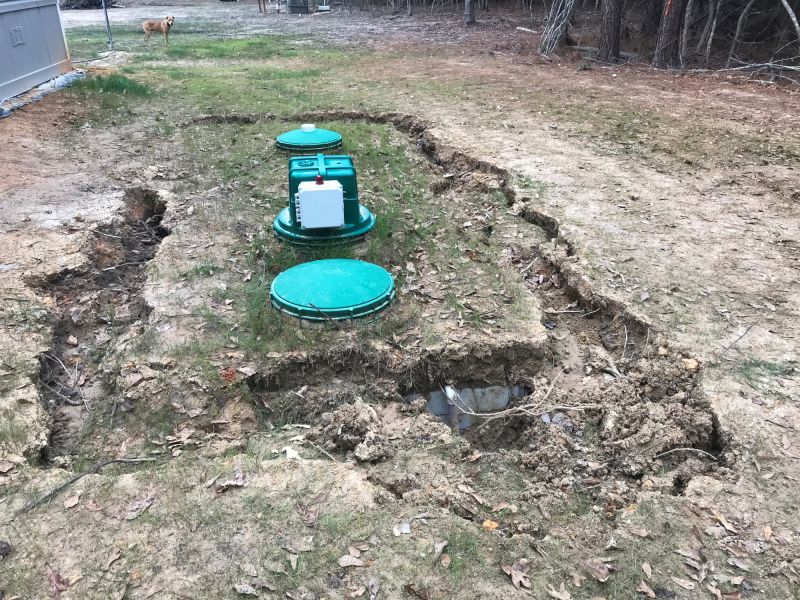
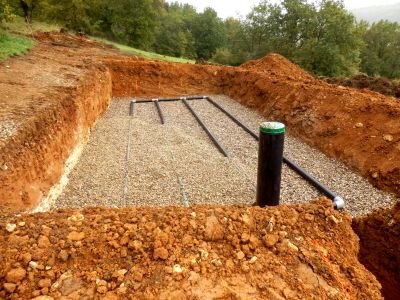

Use consistent comparison criteria to evaluate local contractors’ scope, experience, and written expectations for septic system installation.
- Scope Definition - Clearly outline the specific tasks and responsibilities involved in the septic system installation project.
- Site Evaluation - Assess and document the characteristics of the installation site, including soil type and accessibility.
- Design Specifications - Specify the system design, including size, type, and components required for the installation.
- Material and Equipment Requirements - Identify the necessary materials and equipment needed to complete the installation according to project scope.
- Project Expectations - Establish written expectations regarding work standards, communication, and project deliverables with the service provider.
When evaluating contractors for septic system installation, it’s important to consider their experience with similar projects. Homeowners should seek out service providers who have a proven track record of completing septic installations in environments comparable to their own property. This includes understanding the types of soil, property size, and local regulations that can influence installation methods. Contractors with relevant experience are more likely to be familiar with potential challenges and best practices, which can contribute to a smoother process and a system that functions reliably over time.
A clear and detailed written scope of work is essential for setting expectations and avoiding misunderstandings. Homeowners should ask service providers to outline the specific tasks involved, including site preparation, system components, and any necessary permits or inspections. A well-defined scope helps ensure that both parties are aligned on what the project entails, providing clarity and a basis for evaluating the thoroughness of the proposal. Avoiding vague descriptions and requesting written documentation can help make the process transparent and facilitate informed decision-making.
Verifying a contractor’s qualifications involves understanding their approach to project planning and quality assurance. Homeowners should inquire about the contractor’s process for assessing site conditions, selecting appropriate system components, and ensuring compliance with local standards. While formal licensing or certification may not be discussed here, it’s beneficial to confirm that the service provider follows recognized industry practices. Asking about their methods for verifying soil suitability and system performance can help homeowners gauge the contractor’s competence and attention to detail.
When comparing options, it’s important to evaluate the proposals based on the scope of work, experience, and approach rather than just price. Homeowners should review each contractor’s detailed plan, checking for consistency, thoroughness, and clarity. Asking for references or examples of completed projects can provide insight into their expertise and reliability. By focusing on the quality of the scope, experience with similar systems, and the contractor’s methods, homeowners can make more informed choices that align with their expectations for a successful septic installation.
Request written detailed scope and expectations to ensure clear understanding and consistent project outcomes with service providers.
- Experience and Credentials - What relevant experience and expertise do local contractors have with septic system installation?
- Scope of Work - How clearly do contractors define the scope and specifications of the installation project?
- Permitting and Regulations - Do service providers clarify their process for handling permits and ensuring compliance?
- Materials and Equipment - How do contractors specify the types of materials and equipment they will use for the installation?
- Warranties and Guarantees - Are the scope, responsibilities, and coverage of warranties clearly outlined in writing?
What should I look for when comparing septic system installation contractors? Focus on their experience with similar projects, reputation in the community, and the scope of services offered to ensure they meet specific needs.
How can I verify a contractor's experience in septic system installation? Ask for details about their past projects, request references, and confirm they have relevant local experience handling systems similar to what is required.
Why is it important to define the scope of work in writing? Having a clear, written scope helps set expectations, prevents misunderstandings, and provides a reference for the work to be completed.
What questions should I ask a contractor before hiring for septic installation? Inquire about their experience, the process they follow, the materials they use, and how they handle permits and inspections.
How can I ensure the contractor understands my specific septic system needs? Clearly communicate your site conditions and requirements, and confirm that the contractor has experience with similar systems and can provide a detailed plan.
What is the benefit of comparing multiple septic installation contractors? Comparing options helps identify experienced service providers, understand different approaches, and select a contractor that best aligns with project expectations.
This page has provided an overview of what to consider when selecting contractors for septic system installation, including how to compare options, define the scope of work, verify experience, and establish clear expectations in writing. Understanding these key points can help in making informed decisions and finding service providers who meet specific project needs. To explore and compare local contractors, use the quote form to connect with service providers in the area and gather information tailored to your project requirements.
Taking the next step involves using the quote form to identify and evaluate local contractors capable of handling septic system installation. This process allows for direct comparison of options, helping to find experienced service providers who can meet your expectations. Completing the form is a practical way to begin connecting with local professionals suited to your project.