Spring Planning for Septic System Installation Projects
Kickstart your spring project planning by connecting with trusted local contractors who can expertly handle septic system installations to ensure reliable property functionality.
Spring is often considered an ideal season for septic system installation projects due to the milder weather and improved ground conditions. During this time, soil is typically thawed and less saturated, making excavation and installation work more manageable and less prone to delays caused by wet or frozen ground. Additionally, spring offers a practical window for planning and completing septic system upgrades or new installations before the summer months, when property owners may be more focused on outdoor activities and landscaping. This season also provides an opportunity to address any necessary system updates early in the year, helping to ensure the property is prepared for the months ahead.
Septic system installation services generally encompass a range of tasks, including site assessment, system design, soil testing, and the actual installation of the septic tank and drain field. Local contractors often handle tasks such as excavation, placement of the tank, connection to the property’s plumbing, and ensuring proper distribution of effluent through the drain field. Many providers also assist with obtaining necessary permits and coordinating with local authorities to ensure compliance with regional regulations. Proper installation is essential for the system’s longevity and functionality, making it important for property owners to work with experienced service providers who understand the specific requirements of the local area.
When comparing options for septic system installation, property owners should consider the experience and reputation of local contractors, as well as the range of services offered. It’s helpful to review any available credentials, request references, and inquire about previous projects similar in scope and location. Additionally, understanding the types of septic systems available and how they suit the property’s size and usage can guide informed decisions. Consulting with multiple service providers allows property owners to gather information, ask questions, and evaluate the expertise of local contractors, ensuring the chosen provider aligns with the specific needs of the property and local conditions.
Spring is a great time to plan septic system installations by comparing local contractors and clarifying project priorities.
- Septic System Installation Planning - Spring is a practical time to evaluate and plan for septic system upgrades or new installations.
- Choosing the Right System - Local contractors can help select a septic solution suited to your property's size and soil conditions.
- Site Preparation and Permitting - Experienced service providers handle site assessment, preparation, and permit requirements for installation.
- Expert Installation Services - Skilled local contractors ensure proper installation to support reliable and efficient septic system performance.
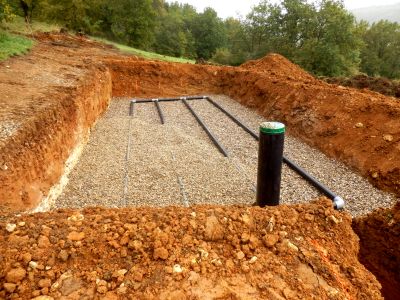
Before comparing options, clearly describe your septic system installation project to connect with trusted local contractors.
- Site assessment - Local contractors can evaluate the property to determine the most suitable location for septic system installation.
- Soil testing - Service providers can perform soil tests to ensure proper absorption and drainage capabilities for the septic system.
- Design planning - Experienced pros can help design a septic system that meets the property's size and usage needs.
- Permitting assistance - Local specialists can guide through the necessary permits and ensure compliance with regulations.
- Material selection - Contractors can recommend appropriate materials and components for a durable and effective septic system.
- Installation expertise - Skilled service providers can handle the proper installation process to ensure long-term functionality.
Use this to explore ideas and refine the scope for your spring septic system installation project with trusted local contractors.
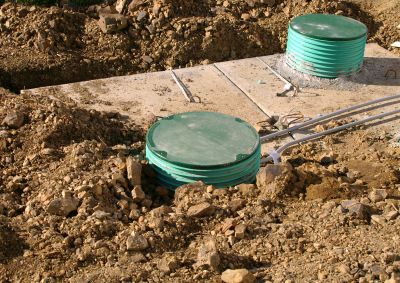
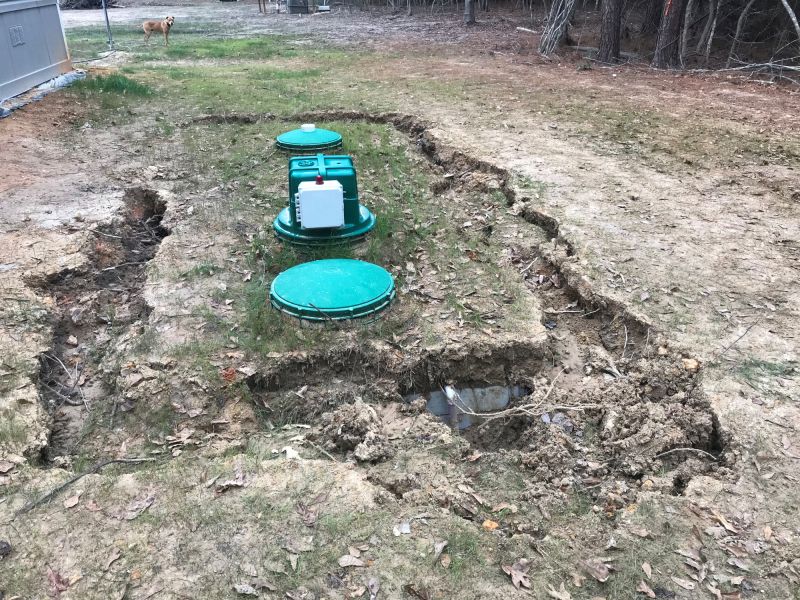
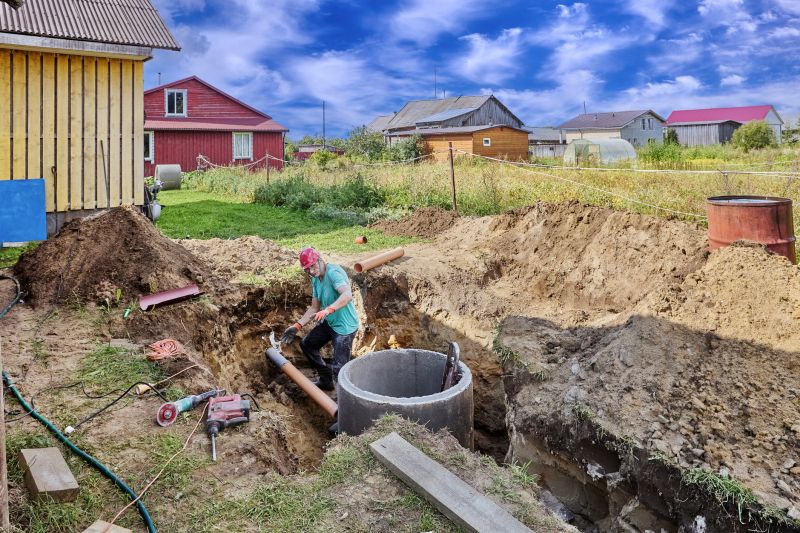
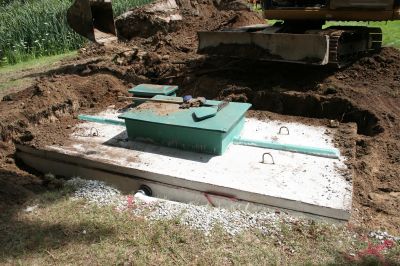
Plan your spring septic system installation by setting priorities and comparing local contractors to find the best match.
- Septic System Inspection and Maintenance - Spring is an ideal time to have local contractors inspect existing septic systems to ensure proper functioning after winter. Regular maintenance can prevent issues during the warmer months.
- Septic System Replacement Planning - Planning for septic system upgrades or replacements can be initiated in spring, allowing for proper site assessment and preparation. Local service providers can help evaluate existing systems and recommend solutions.
- Drain Field Restoration - Spring offers an opportunity to assess and restore drain fields that may have been affected by winter conditions, with local contractors providing necessary repairs or improvements.
- System Pumping and Cleaning - Scheduling septic tank pumping and cleaning in spring can help clear out accumulated sludge, promoting system longevity as usage increases in warmer weather.
- Site Preparation for New Installations - For properties planning new septic system installations, spring is a suitable time for site evaluation and preparation, with local pros handling the groundwork and setup.
Use this scope builder to compare how local contractors approach septic system installation for consistent project planning.
- Site Evaluation - Determine the suitability of the location for septic system installation, including soil type and drainage conditions.
- Design Requirements - Define the size, type, and capacity of the septic system based on property and usage needs.
- Permitting and Regulations - Identify applicable local codes and obtain necessary permits prior to installation.
- Material Selection - Specify the appropriate materials for the septic tank and drain field components.
- Installation Procedures - Outline the steps and methods local contractors will follow to properly install the system.
When evaluating service providers for septic system installation during the spring season, it is important to consider the experience of local contractors with similar projects. Homeowners should look for professionals who have completed septic installations in environments comparable to their own, taking into account soil conditions, property size, and local regulations. An experienced contractor will be familiar with common challenges that arise in springtime, such as wet ground or seasonal weather variations, and can demonstrate a history of successful projects in the area. This background can provide confidence that the selected service provider understands the nuances specific to spring installation work.
Clear communication about the scope of work is essential when comparing options. A trusted local contractor should be able to provide a detailed written description of the project, outlining each step from site assessment to final inspection. This clarity helps homeowners understand exactly what will be included, reducing the risk of misunderstandings or unexpected issues later on. When reviewing proposals, it’s beneficial to seek out service providers who can articulate their process and deliverables in straightforward terms, ensuring that the scope aligns with individual project goals and site conditions.
Work planning considerations are particularly relevant during the spring season, as weather and ground conditions can influence installation strategies. Pros who are accustomed to spring projects will consider factors such as soil saturation, drainage, and potential disruptions caused by seasonal rain. They should be able to discuss how they plan to adapt their approach to accommodate these conditions, including site preparation and scheduling considerations. Homeowners can evaluate options by asking how local contractors plan their work to minimize delays and ensure proper installation despite the seasonal challenges.
When comparing local service providers for septic system installation, it is helpful to assess their overall experience, clarity in project scope, and approach to work planning. Homeowners should look for professionals who can demonstrate familiarity with spring-specific site conditions and who communicate their process transparently. By focusing on these key factors, it becomes easier to identify service providers capable of delivering reliable results tailored to the timing and unique needs of a spring installation project. This approach supports making informed choices without the need to consider pricing details.
Request written details to ensure clear understanding and consistent scope for your spring septic system project.
- Septic System Installation Services - What factors should be compared when evaluating local contractors for spring installation projects?
- Septic System Design and Scope - How can different providers clarify the scope of work involved in septic system installation?
- Experience and Expertise - What experience levels should local service providers have for spring septic system installations?
- Materials and Equipment - How do local contractors differ in the types of materials and equipment used for septic system setups?
- Permitting and Compliance - How can local pros assist in defining the necessary permits and ensuring regulatory compliance?
What should I consider before installing a septic system in spring? It's important to assess the property's soil type, drainage patterns, and space availability to determine suitable septic system options. Consulting with local contractors can help identify the best solution for spring installation projects.
How can I prepare my property for septic system installation this spring? Clearing the area of debris, ensuring easy access for equipment, and checking for underground utilities can facilitate a smooth installation process. Local service providers can offer guidance on site preparation.
What types of septic systems are commonly installed during spring? Conventional gravity systems, mound systems, and alternative treatment units are frequently installed in spring, depending on soil conditions and property layout. Local contractors can advise on the most appropriate type.
Are there seasonal considerations for septic system installation in spring? Spring often provides favorable weather and soil conditions for installation, but it's important to account for recent weather patterns that may affect ground stability. Experienced local pros can help plan accordingly.
What steps are involved in the septic system installation process? The process typically includes site evaluation, system design, excavation, installation of components, and system testing. Connecting with local service providers ensures proper execution of each step.
How can I ensure my new septic system functions properly after installation? Proper maintenance, regular inspections, and following local guidelines are key. Local contractors can provide advice on ongoing care to keep the system operating efficiently.
This page has provided an overview of septic system installation, highlighting the importance of proper planning and understanding the key factors involved in choosing the right system for your property. Visitors have learned about the benefits of spring as a practical time for this type of project, as well as the value of exploring different options to find a solution that aligns with their needs. To find the best local contractors for the job, using the quote form can help compare available service providers and connect with experienced professionals in the area.
For those ready to move forward with septic system installation, utilizing the quote form is a helpful step to explore local options. It allows for a straightforward way to compare quotes and connect with trusted service providers who can handle the project. Spring can be an ideal time to plan and prepare for this type of upgrade, ensuring the system is ready to support your property’s needs.
Providing clear details about your septic system installation helps local contractors understand your project needs effectively.
- Septic System Design - Share details about the size and capacity requirements for the septic system.
- Property Details - Provide information on the land layout, soil type, and access points for installation.
- Existing Infrastructure - Describe current plumbing connections and any relevant site features.
- Project Goals - Clarify the intended use and any specific considerations for the septic system installation.